Weeping Tile Installation, Wet Basement: Effective Solutions for Long‑Term Waterproofing

RoseCalvert
If your basement keeps collecting water or you spot damp walls and efflorescence, professional Weeping Tile Installation can stop groundwater before it damages your foundation. A correctly placed and connected weeping tile system redirects subsurface water away from your foundation, helping prevent wet basements and costly repairs.
This post will show how weeping tile works, what a typical installation involves, and which common wet-basement problems the system actually solves versus when you might need additional fixes. Expect clear, practical guidance so you can decide whether a DIY approach will work or if you should hire a pro.
Weeping Tile Installation Basics
You will learn how a weeping tile system moves groundwater away from your foundation, the main system types, the core installation steps, and the specific materials you’ll need for a reliable install.
How Weeping Tiles Prevent Wet Basements
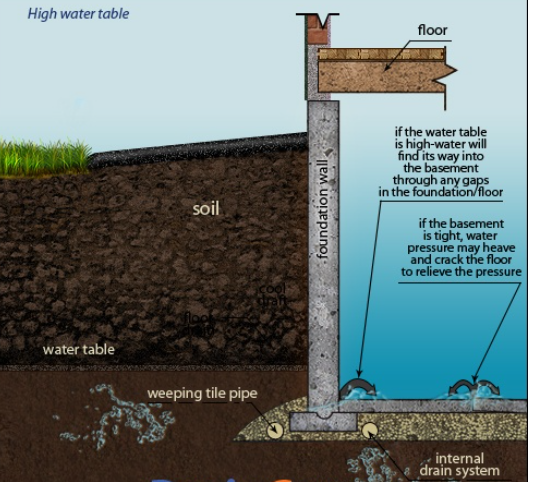
Weeping tiles collect and redirect groundwater that otherwise soaks into your foundation. Placed at the footing level, the perforated pipe captures water that flows down through the soil and moves it to a safe discharge point or a sump pump.
You rely on gravity and pipe slope to keep water moving. A typical slope is 1% (1/8"–1/4" per foot) away from the foundation; if you use a sump pump, slope still helps reduce flow into the pump basin.
Perforated pipe sits on a bed of coarse aggregate and is wrapped in filter fabric to prevent sediment clogging. Proper backfill and surface grading above the line keep surface water from re-entering the system.
Types of Weeping Tile Systems
There are two common approaches: exterior and interior systems.
- Exterior Weeping Tile: Installed outside at the foundation footing. It directs water to a daylight outlet, storm drain, or to a sump discharge line. This is the most effective at preventing water contact with the foundation wall.
- Interior Weeping Tile (Basement Drain): Installed inside at the footing or just above the floor slab. It routes water to an internal sump pump and is less invasive to landscaping.
You can choose rigid PVC, corrugated HDPE, or clay tile pipes. Perforated PVC is common for new installs; corrugated pipe is flexible and often used in retrofits. Choice depends on soil type, available access, and budget.
Step-by-Step Installation Process
- Plan and locate utilities. Call utility services before digging and map out footing lines.
- Excavate to the footing. Dig a trench to expose the foundation footing and create a working channel for pipe placement.
- Prepare the bed. Lay 2–4 inches of coarse gravel for drainage and to support the pipe.
- Lay pipe and wrap. Place perforated pipe with holes down; cover with more gravel and wrap filter fabric to keep fine soil out.
- Backfill and grade. Backfill with native soil and grade the surface to slope away from the foundation at least 6 inches over 10 feet.
- Connect discharge. Route pipe to daylight, storm sewer (if permitted), or to a sump basin where a pump will eject water away from the house.
Use short work segments and inspect for clogs or sharp bends that restrict flow. If you encounter heavy clay or a high water table, consider adding a sump pump or hiring a pro for deeper excavation and waterproofing.
Materials Required for Installation
Essential materials include:
- Perforated pipe (PVC or corrugated HDPE) sized 3"–4" depending on flow needs.
- Coarse drain gravel (typically 3/4" clean stone) for bedding and cover.
- Filter fabric (geotextile) to wrap the pipe and prevent siltation.
- Pipe fittings, solid pipe adapters, and bends to connect to discharge lines.
- Sump basin and pump if you cannot route to daylight.
You’ll also need tools: excavator or shovel, level or laser level, tamper, and safety gear. Use corrosion-resistant fittings in aggressive soils. Select material sizes and pump capacity based on expected inflow, basement square footage, and local code requirements.
Common Wet Basement Issues & Solutions
You’ll learn how to spot the precise causes of basement water problems, decide when a weeping tile installation is necessary, and keep the system working with practical maintenance steps.
Identifying Water Intrusion Problems
Pinpoint where water enters before you plan repairs. Inspect exterior grading, downspouts, and window wells; water pooling within 5 feet of the foundation or downspouts that discharge at the foundation line often drive groundwater against the wall.
Check interior signs: efflorescence, peeling paint, and damp insulation all indicate chronic moisture. Hairline foundation cracks and localized seepage usually mean hydrostatic pressure is finding the weakest path.
Use simple tests: run a hose near suspicious spots for 10–15 minutes to reproduce infiltration, and monitor the sump pit during heavy rain to see if water level spikes. These steps guide whether surface drainage fixes suffice or if subsurface drainage (weeping tile) is required.
Signs You Need Weeping Tile Installation
Install or replace weeping tile when multiple indicators point to subsurface drainage failure. Frequent basement pooling after storms, consistent dampness despite interior sealants, and a sump pump cycling every few hours during rain all indicate groundwater is not being redirected.
If older clay tile, crushed stone-packed drains, or backfilled soil with fines contribute to clogging, replacement with perforated pipe and clean stone becomes necessary. Also consider installation when you have repeated foundation crack repairs; treating the source—groundwater—prevents reoccurrence.
Document the pattern and timing of leaks. If water intrusion correlates with high groundwater or long rainfall events rather than isolated plumbing leaks, prioritize professional assessment for a new weeping tile system.
Long-Term Maintenance and Care
Maintain clear exterior drainage to reduce load on your weeping tile. Keep gutters clean, extend downspouts at least 4–6 feet from the foundation, and correct low spots in yard grading to prevent water pooling near walls.
Service the sump pump annually; test it with water and replace the battery backup every 3–5 years. Flush accessible cleanouts and inspect visible drain outlets for silt. If you have an interior system, schedule professional flushing and video scoping every 5–10 years to remove sediment that reduces flow.
Monitor for early warning signs: increased humidity, new efflorescence, or slower sump response. Address small issues quickly to avoid excavation and costly full-system replacements.